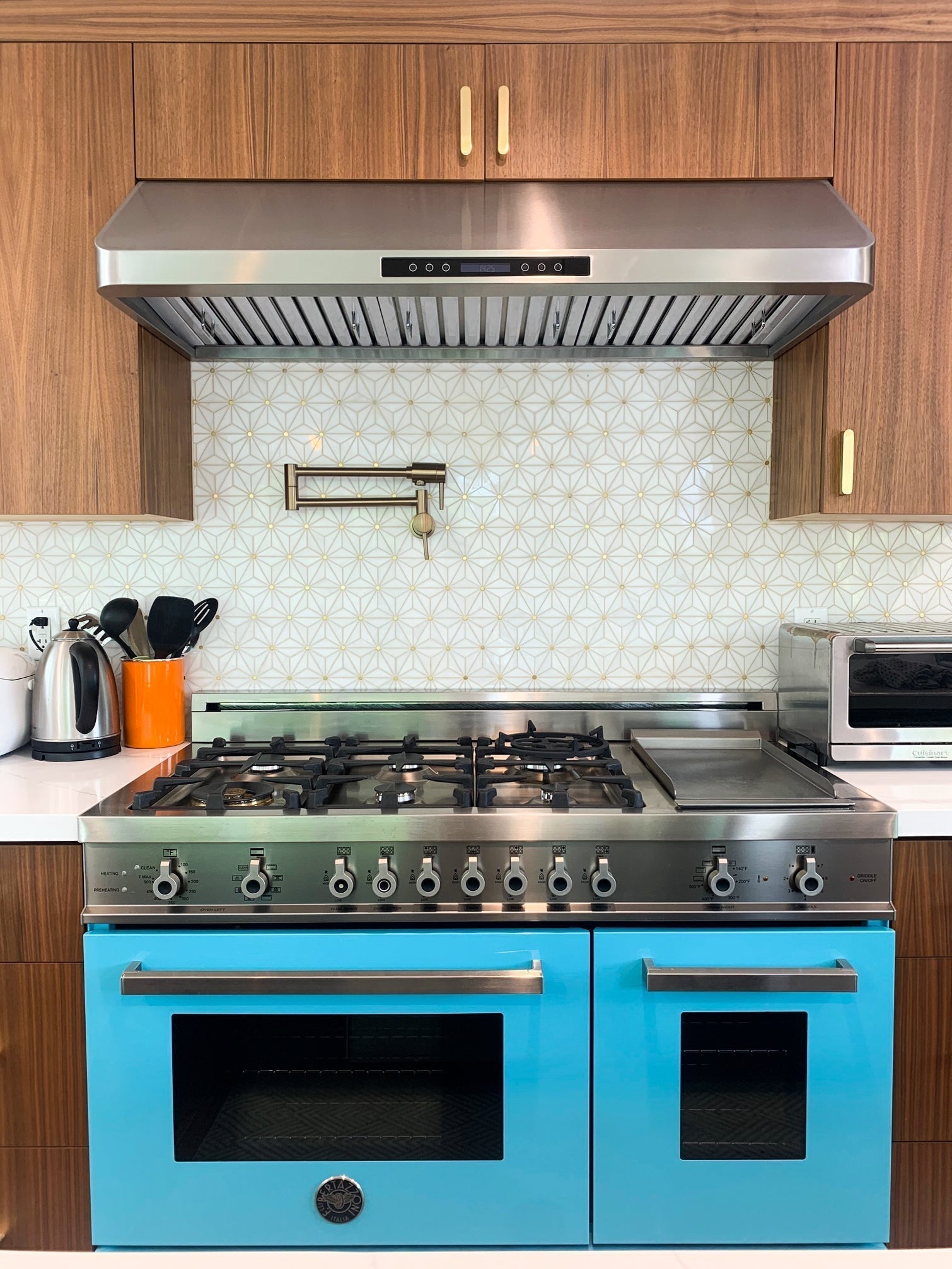
If you live anywhere in the Salt Lake Valley — Salt Lake City, Park City, South Jordan, West Jordan, Sandy, Cottonwood Heights — you already know our winter air isn't great. Inversions trap pollution in the valley for weeks at a time, and the EPA regularly flags the Wasatch Front for some of the worst seasonal air quality in the country. There aren't a lot of things you can do about that from inside your home. But there's one major one: the range hood above your stove.
Range hoods are one of the most underestimated appliances in a kitchen. Most homeowners spend weeks researching ranges and refrigerators, then pick a hood almost as an afterthought — and regret it within a year. The wrong hood is loud, weak, and ugly. The right hood is the difference between a kitchen that smells like dinner an hour later and one that doesn't — and, more importantly, the difference between adding to your indoor air problems and removing them.
If you've started shopping seriously for ventilation, one brand keeps coming up in the conversation: Proline. And there's a reason for it. Proline has built a strong reputation for delivering genuinely professional ventilation performance — high CFM, quiet motors, durable construction — at prices that significantly undercut the big designer brands. Smart Home Luxury has been an authorized Proline dealer for years, and Proline is one of the most-installed hood brands in kitchens across Utah.
This guide walks through everything you should know about Proline range hoods: who the brand is, what they make, how to figure out the right CFM for your kitchen, and what to look for when comparing options.
What's in this article
- Why Ventilation Matters More Than You Think
- Who Is Proline?
- The Proline Lineup
- Understanding CFM: How Much Do You Actually Need?
- What to Look For in a Range Hood
- Wall Mount vs. Insert: Which Should You Choose?
- Installation Considerations
- Comparing Proline to the Premium Brands
- Why Buy Proline from Smart Home Luxury
Why Ventilation Matters More Than You Think
Before we get into Proline specifically, let's talk about why this category deserves real attention.
A range hood does four jobs:
- Removes smoke and steam so you can actually see what you're cooking.
- Removes airborne grease that would otherwise settle on cabinets, walls, and ceilings.
- Removes odors so your house doesn't smell like fish two days later.
- Improves indoor air quality by venting combustion byproducts (especially with gas cooktops).
That last point is the one most homeowners overlook. Gas cooking releases nitrogen dioxide, carbon monoxide, and ultrafine particulates. Multiple peer-reviewed studies have linked poor kitchen ventilation to measurable indoor air quality problems. A good range hood isn't just about keeping the kitchen pretty — it's a health appliance. (If you want to understand more about why this matters specifically in our region, our post on how Salt Lake City's climate affects kitchen appliance performance covers it in depth.)
This is why CFM matters, why duct routing matters, and why a $200 builder-grade hood with a tiny squirrel-cage fan isn't really doing the job.
Who Is Proline?
Proline Range Hoods is a US-based manufacturer focused specifically on kitchen ventilation. Unlike full-line appliance brands that make hoods as one product among many, Proline does one thing — and they do it at scale, which is partly why their pricing is so competitive.
The company sells through specialty retailers and direct-to-consumer channels, skipping the markup layers that come with big-box distribution. Their customer base spans residential kitchens, custom homebuilders, and commercial light-duty applications. The company is known in the industry for offering serious CFM and build quality at price points that Vent-A-Hood, Best, and Zephyr can't match for similar specs.
The "specialist who does one thing well" approach also shows up in Proline's R&D — they iterate on motors, baffles, and blower geometry the way most full-line brands simply don't have the bandwidth to. It's the same logic that makes a dedicated cabinet maker better than a big-box cabinet aisle, which we touched on in our guide to the best kitchen cabinets in Salt Lake City.
The Proline Lineup
Proline makes hoods in essentially every common configuration:

Wall-Mount Hoods
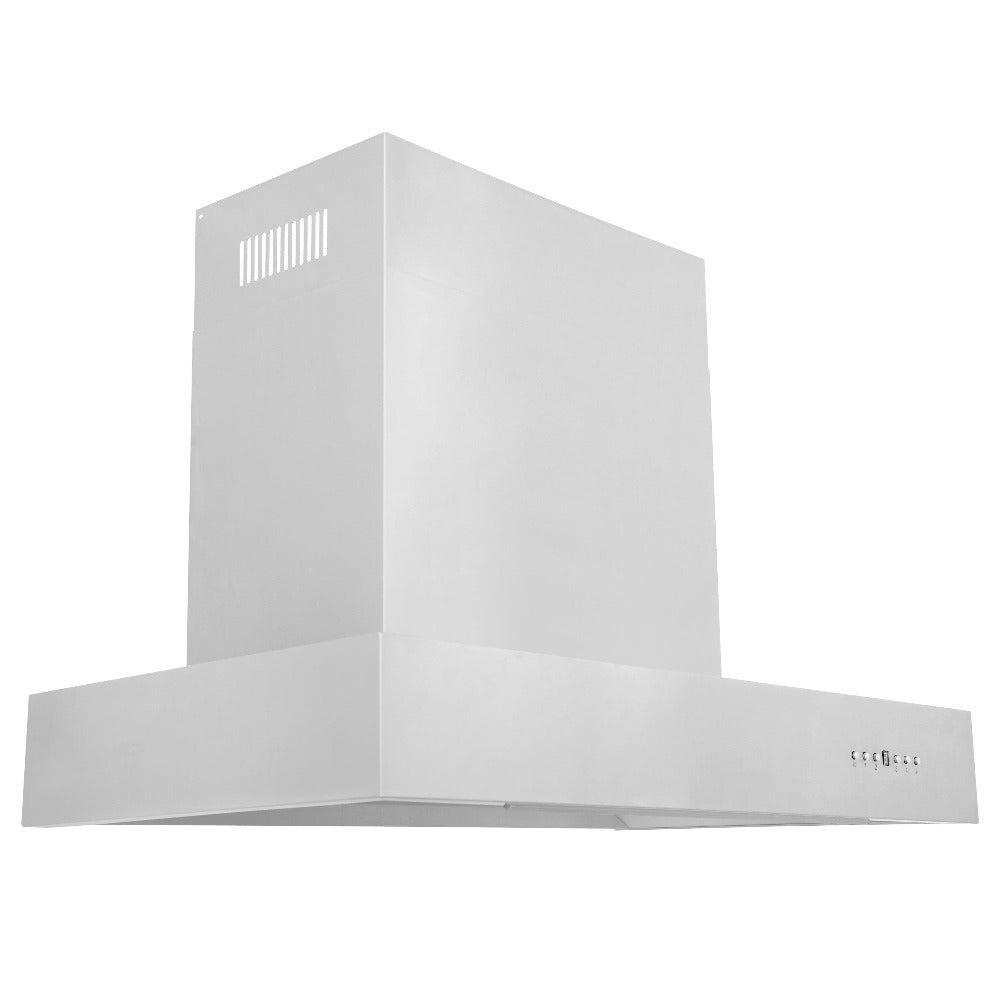
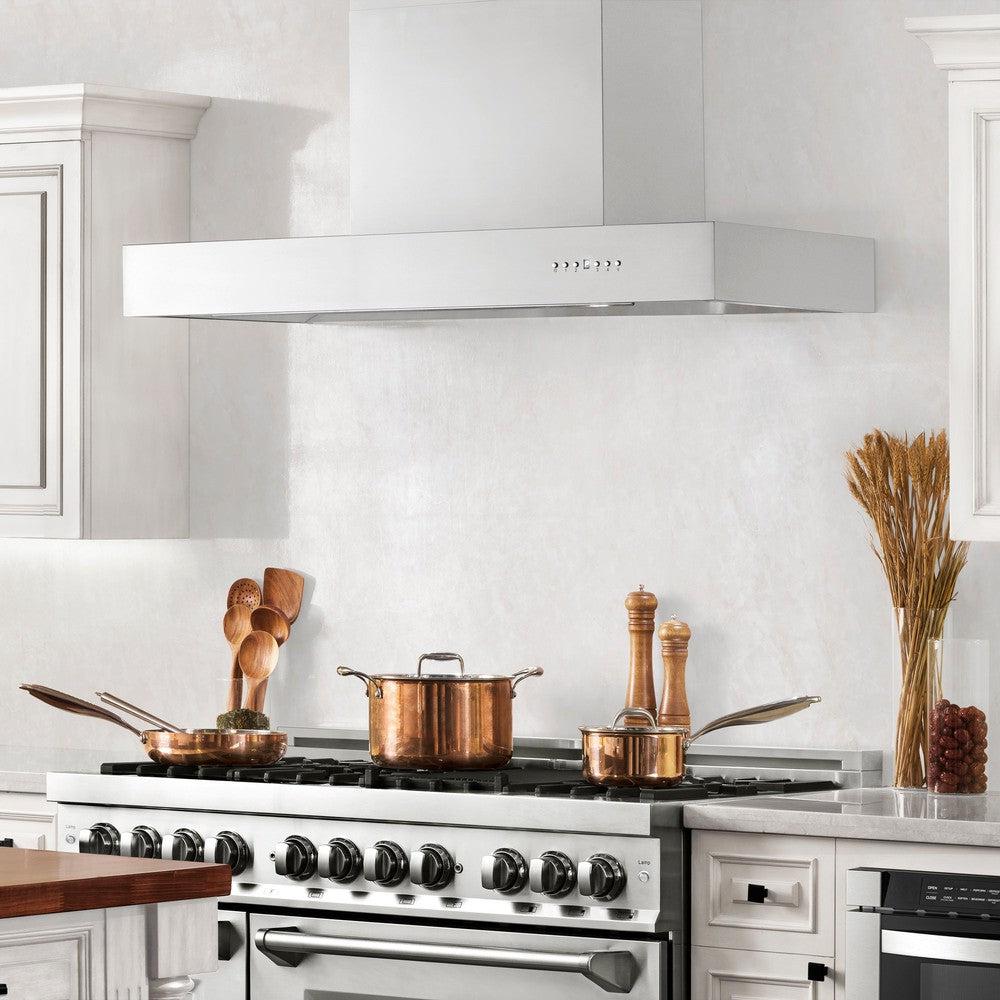
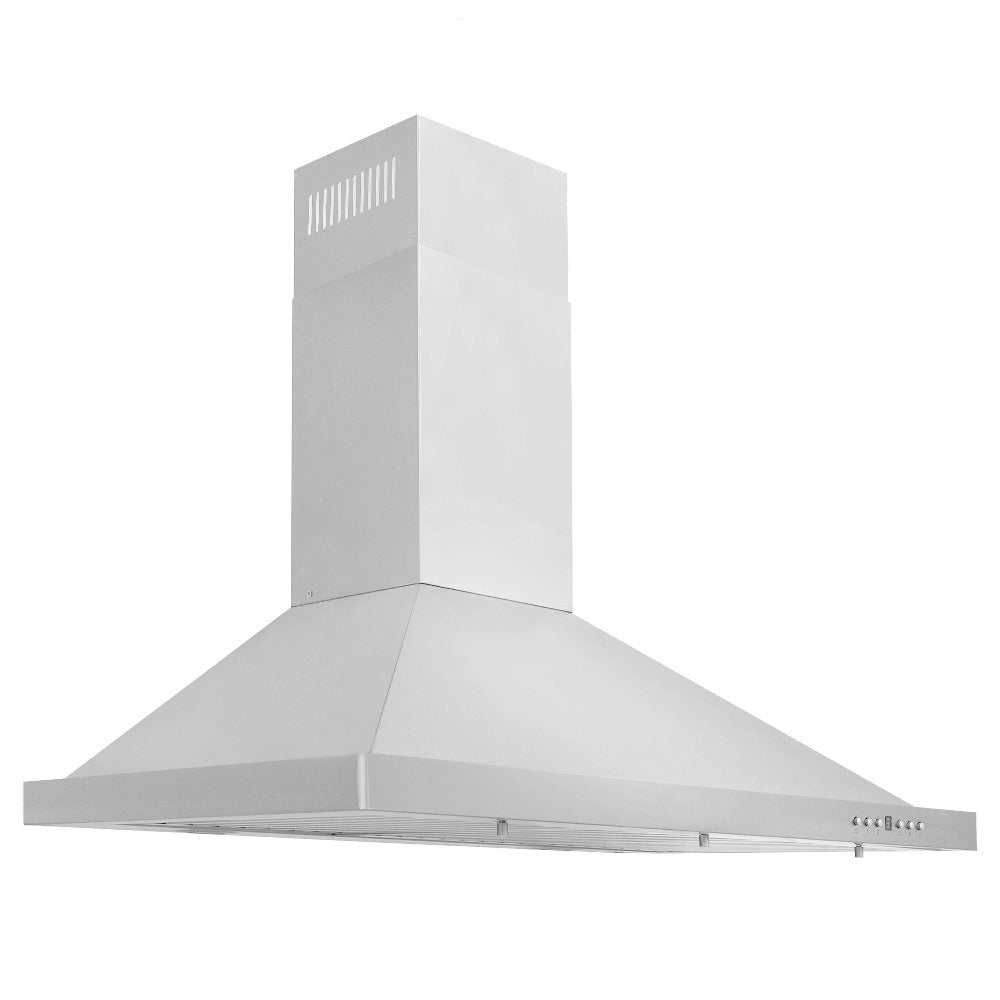
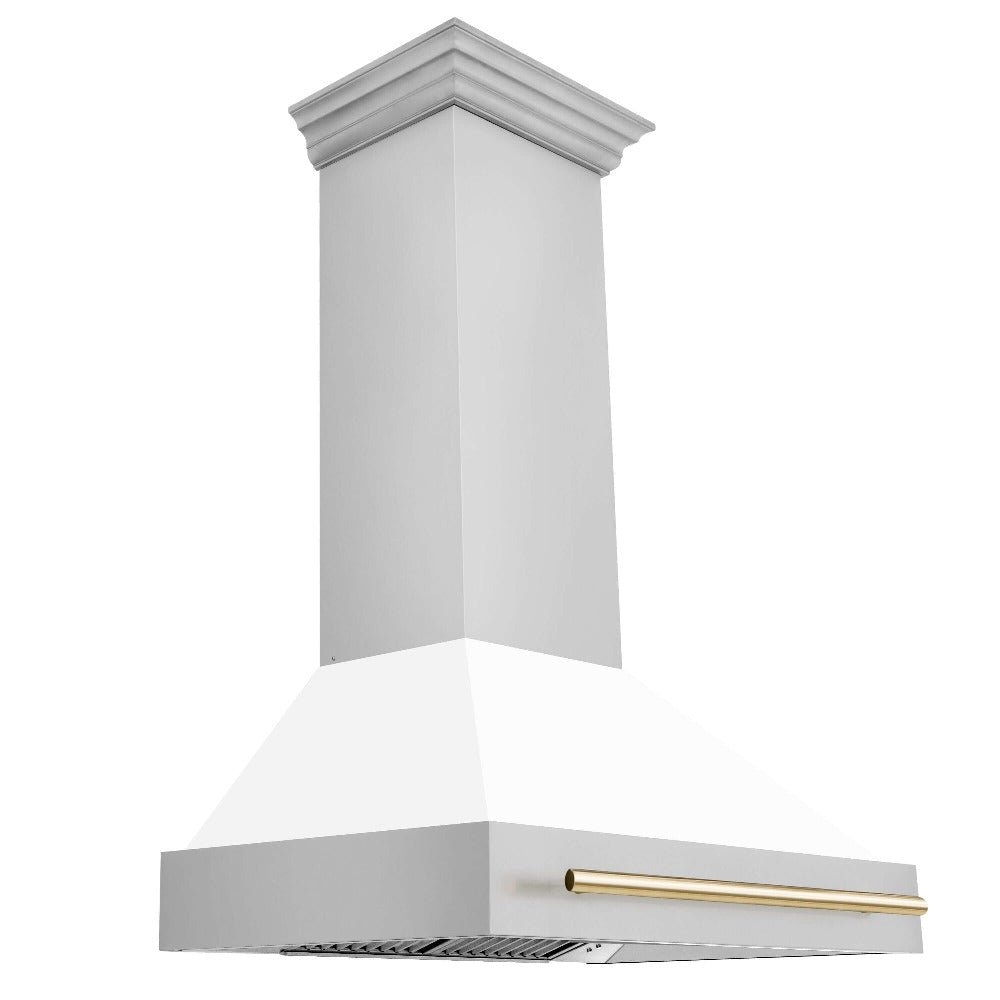
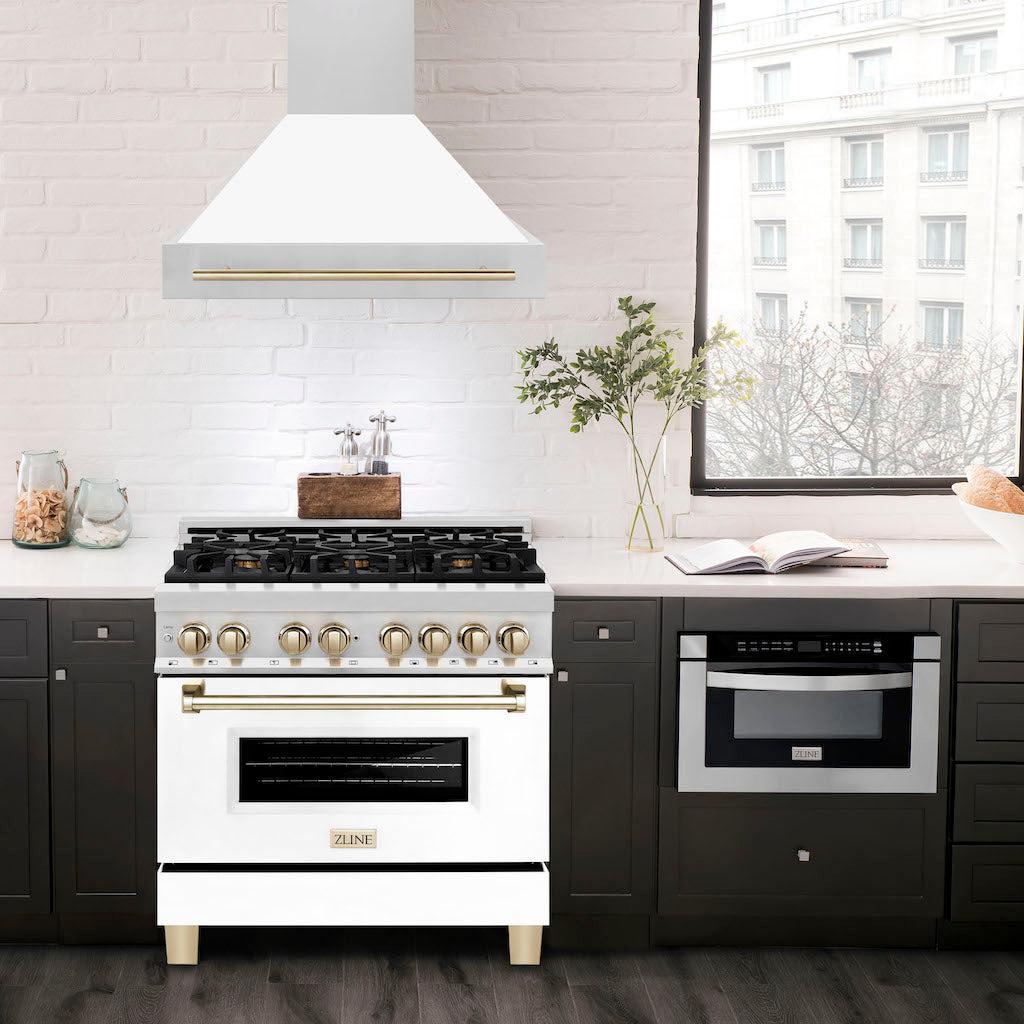
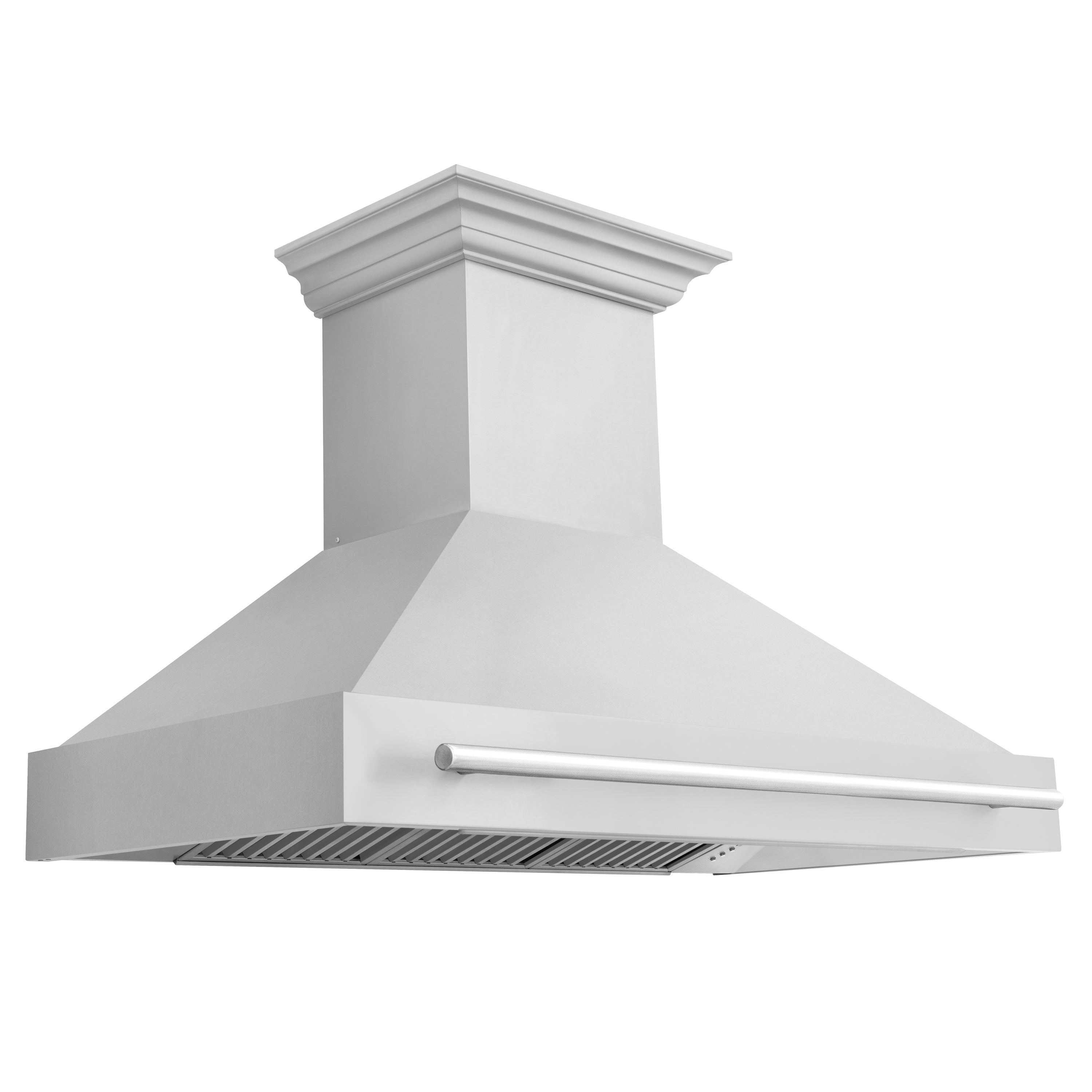
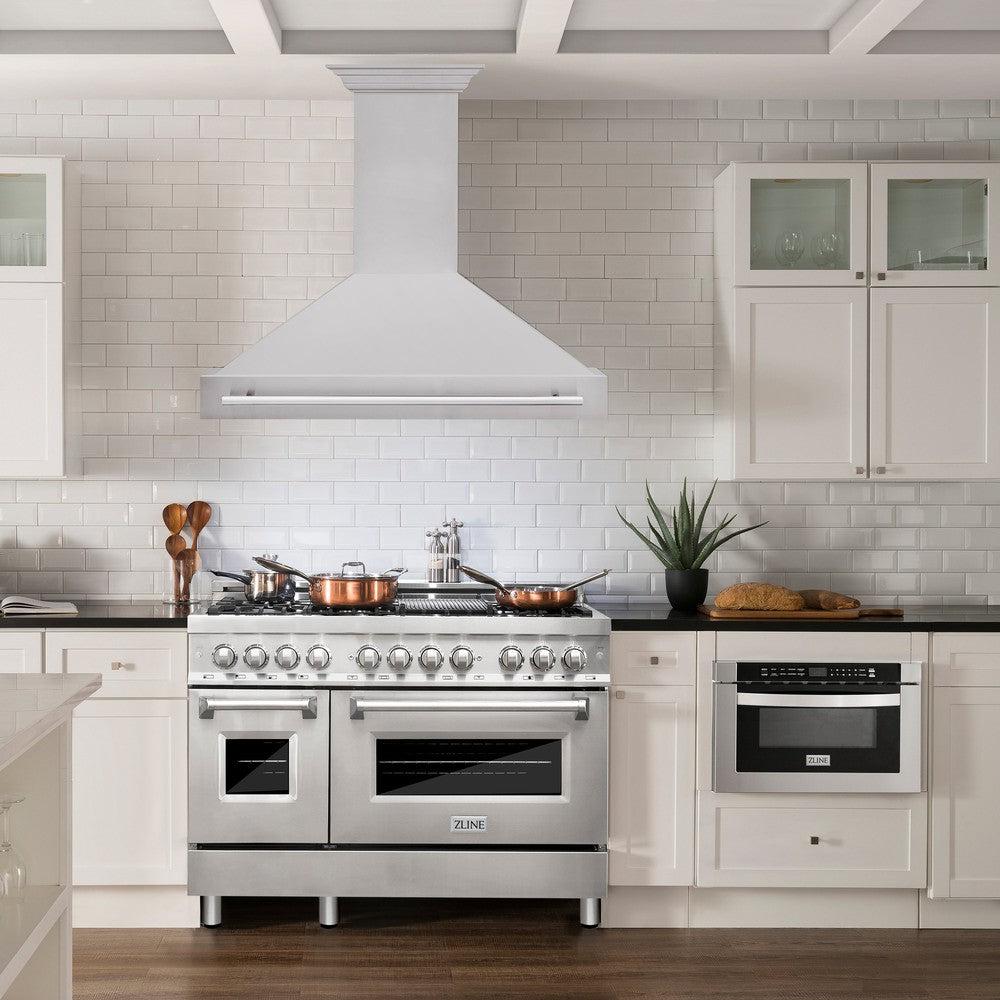
These mount against the wall above a range or cooktop and extend out over the cooking surface. Proline's wall-mount hoods come in widths from 30" to 60", with stainless steel construction and high-CFM internal blower options up to 1500+ CFM on certain models. Many feature seamless welded construction (no visible seams or rivets), LED lighting, and dishwasher-safe baffle filters. Browse all wall-mount range hoods →

Under-Cabinet Hoods
If your kitchen has upper cabinetry that wraps around the range, an under-cabinet hood is the right choice. Proline's under-cabinet models are designed to fit standard cabinet depths while still pushing serious airflow. They're a great option for kitchens where the cabinetry layout is already set. Shop under-cabinet hoods →

Island Hoods
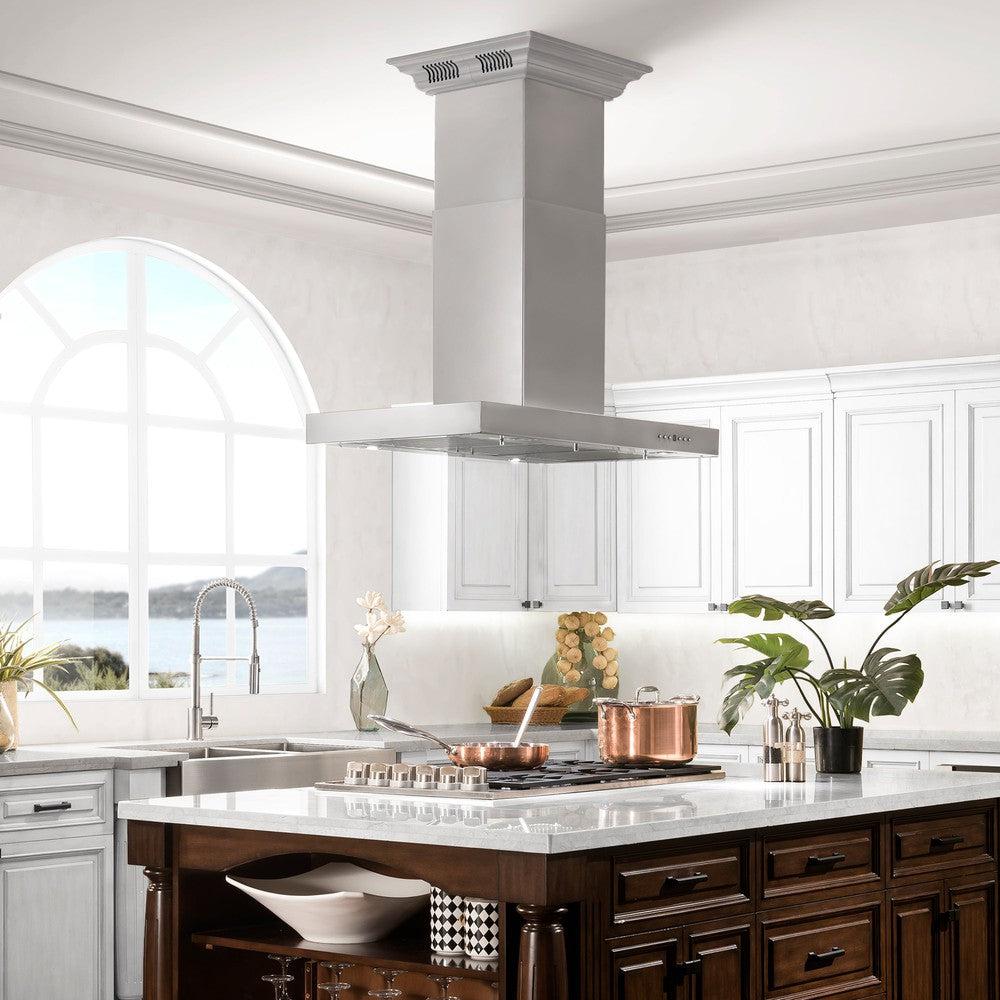
Island hoods hang from the ceiling over kitchen islands with cooktops. Because they have to capture rising air on all four sides — rather than against a wall — island hoods generally need more CFM than wall-mounts of equivalent width. Proline's island hoods are built with this in mind, with larger capture areas and higher-CFM blowers in their island-specific models. View island range hoods →

Range Hood Inserts (Liners)
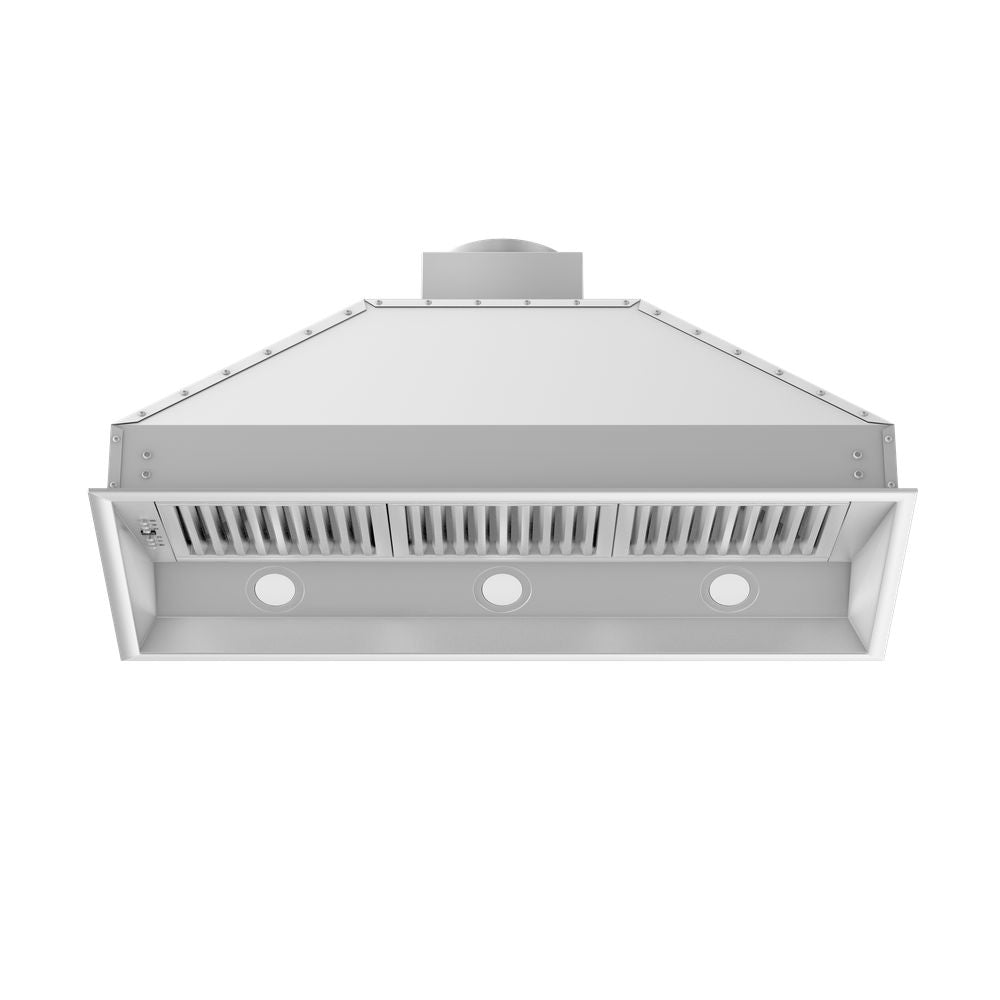
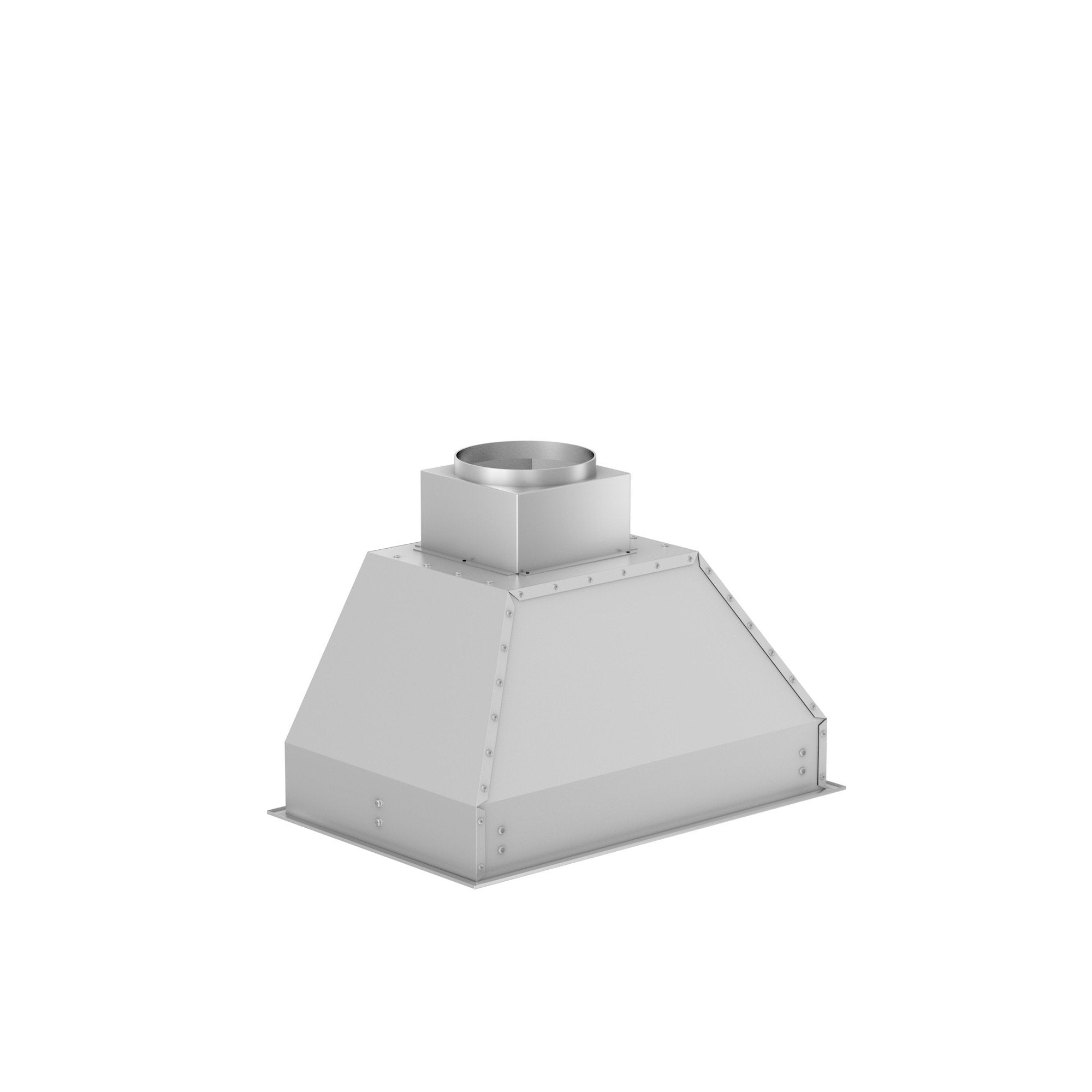
This is one of Proline's most popular categories. A hood insert (or "liner") is the working guts of a hood — motor, baffles, lights, controls — designed to be installed inside a custom hood enclosure built from drywall, wood, plaster, or stone. If you're building a custom hood that matches your cabinetry or has a unique architectural shape, you need an insert. Proline makes inserts in widths from 28" up to 60"+ and CFM ratings that can match almost any cooking setup. See all range hood inserts →

Outdoor Range Hoods
For outdoor kitchens — increasingly popular in Park City, Holladay, and the foothills where homeowners want to cook on covered patios year-round — Proline makes hoods specifically rated for exterior use, with corrosion-resistant construction designed to handle Utah's wide temperature swings and dry climate. Shop outdoor range hoods →
Understanding CFM: How Much Do You Actually Need?
CFM stands for cubic feet per minute — how much air the hood moves. Get this wrong and your hood is either gasping for air or massively over-spec'd.
A reasonable starting framework most pros use:
- For electric cooktops: Roughly 100 CFM per linear foot of cooktop. So a 36" electric cooktop (3 feet) → about 300 CFM minimum.
- For gas cooktops: Roughly 100 CFM per 10,000 BTU of cooktop output. A typical 36" gas range with 60,000 total BTU → about 600 CFM.
- For high-output professional ranges: With 18,000+ BTU burners, plan on 900–1200 CFM or more.
- For island installations: Add roughly 25–30% to the above numbers, since island hoods don't have a wall to help contain rising air.
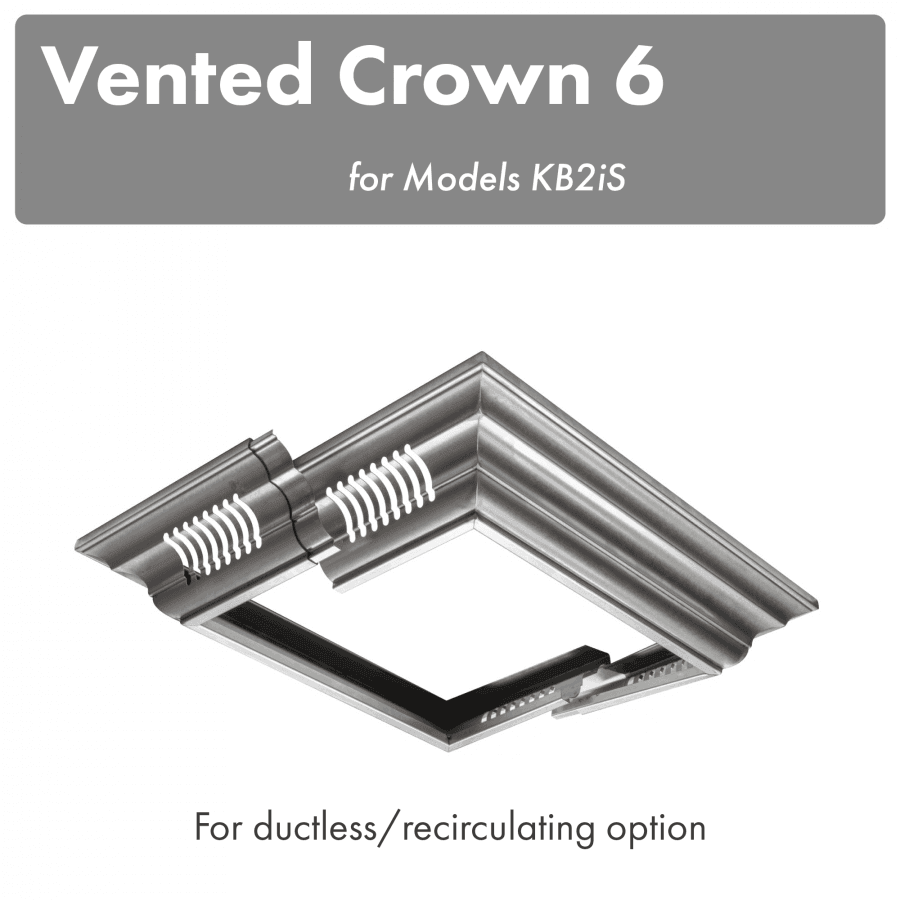
These are minimum guidelines. Going higher gives you headroom for searing, wok cooking, and high-heat cooking where smoke production spikes. The other consideration: high CFM is only useful if it's properly ducted to the outside. Recirculating (ductless) hoods — which filter and return air to the kitchen — are far less effective than vented installations, and we only recommend them when ducting truly isn't an option.
What to Look For in a Range Hood
Beyond CFM, here are the specs that actually matter:
Duct Size
Larger ducts move air more efficiently and quietly. A 6" duct can comfortably handle around 400 CFM. For 600+ CFM, you generally want 8" or larger. For 900–1200+ CFM, 10" is appropriate. Undersized ductwork is one of the most common reasons hoods underperform — the hood may be rated for 1200 CFM, but if it's choked through a 6" duct, you're not getting it.
Sone or dB Rating
How loud the hood is at various speeds. Lower is better. Anything under about 6 sones at full power is reasonable. Many Proline models include lower-noise modes for normal cooking and reserve full power for when you actually need it.
Filter Type
Baffle filters (the angled metal plates) are the professional standard — they capture grease efficiently and are dishwasher-safe. Mesh filters are cheaper but clog faster and don't perform as well. Proline uses baffle filters across most of its lineup.
Construction Quality
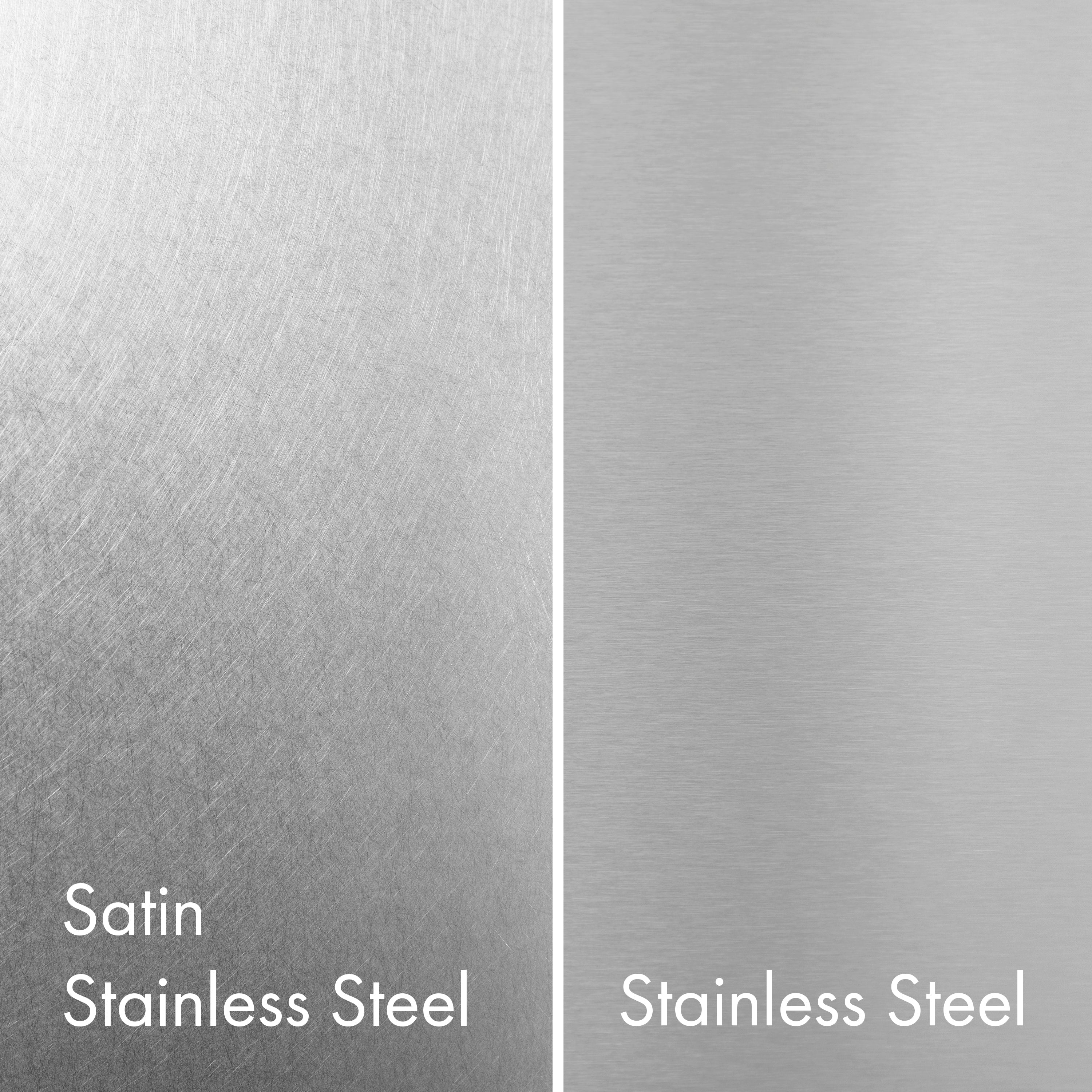
Look for heavy-gauge stainless steel, welded seams (rather than riveted), and substantial weight. Cheap hoods feel like tin cans. Quality hoods feel like commercial equipment. We get into this more in our post on whether luxury appliances actually last longer than standard models — short answer: yes, and it's mostly about the materials and motors.
Lighting
LED lighting is now standard. Dimmable LEDs are even better — they let you use the hood lights as ambient kitchen lighting in the evening.
Controls
Push-button, touch, or rocker controls are all fine. The thing to look for is whether the speeds give you useful steps. A hood with 4 speeds is more useful than one with 2.
Wall Mount vs. Insert: Which Should You Choose?
This is one of the most common questions homeowners face. Quick framework:
Choose a wall-mount or island hood if:
- You want the hood to be a visible design element
- You like the look of a stainless or designer hood
- Your kitchen design calls for a clean, contemporary aesthetic
- You don't want to build custom millwork
Choose an insert (liner) if:
- You want a custom hood enclosure that matches your cabinetry, ceiling, or stone work
- You're going for a traditional, transitional, or architecturally specific design
- You want the hood to "disappear" into a designed enclosure
- You have a designer or millworker who's already drawn the hood housing
Both can deliver identical performance — it's a design call.
Installation Considerations
A few things to plan for before you order:
- Duct routing: Where will the duct exit the house? Through the roof, through an exterior wall, or through the soffit? Shorter, straighter duct runs perform better. Every 90-degree elbow effectively reduces CFM.
- Make-up air: High-CFM hoods (typically 400+ CFM in many jurisdictions, including most of Utah) often require make-up air systems by code. This brings replacement air back into the house so you're not depressurizing the building. Confirm local code requirements before installing — Salt Lake County and most Wasatch Front municipalities follow the International Residential Code, and this is a frequent inspection item.
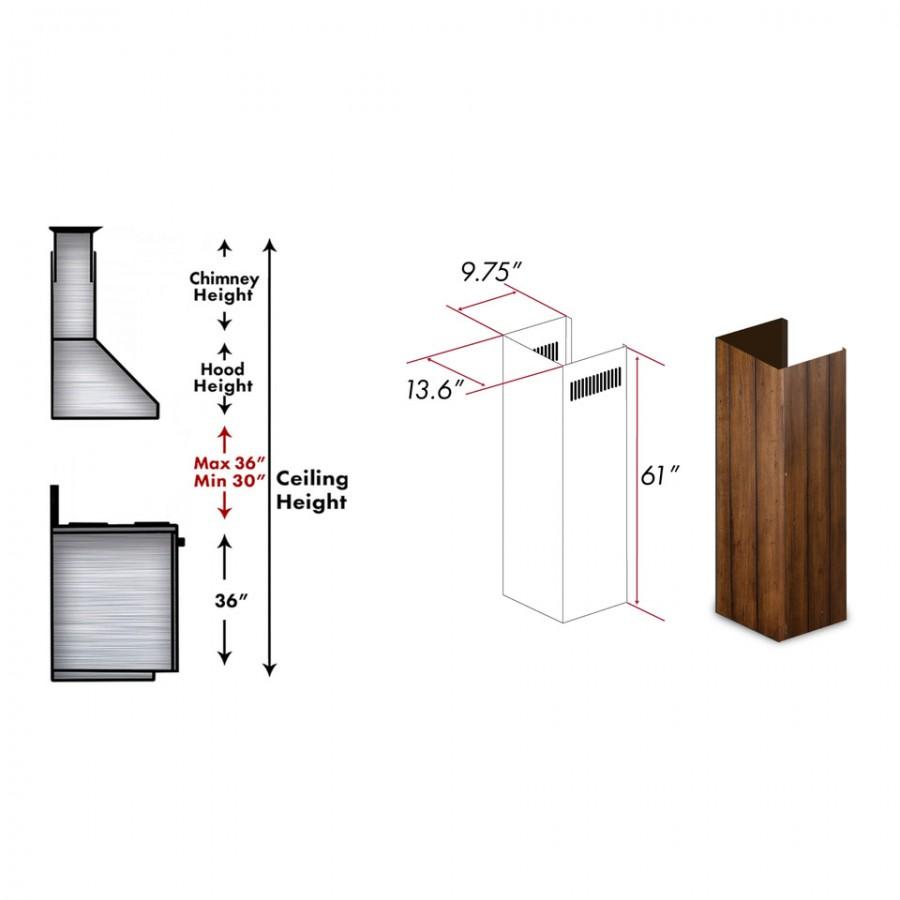
- Mounting height: Most hoods install 30–36" above the cooktop for gas, 24–30" for electric. Check the manufacturer's specifications for your specific model.
- Power requirements: Most residential range hoods run on standard 120V circuits, but high-CFM models may have specific electrical requirements.
This is one area where talking to a knowledgeable retailer pays for itself. A 1200 CFM hood vented through 6" duct with three elbows is going to underperform — and that's a fixable mistake before you buy. Also worth knowing: certain ventilation upgrades may qualify under Utah's energy efficiency kitchen rebates when combined with other appliance upgrades, so check before you finalize.

Comparing Proline to the Premium Brands
The honest comparison: Proline competes directly with brands like Vent-A-Hood, Best, Zephyr, Faber, and Broan's higher-end lines on specs and build quality, while typically pricing 30–50% lower. The trade-off is brand recognition. Proline doesn't have the marketing presence of Best or Vent-A-Hood, but the actual hardware — the motors, baffles, blowers, and stainless construction — is genuinely competitive.
For homeowners who care about CFM, build quality, and durability rather than the badge on the front, Proline is one of the strongest values in the ventilation category. (For a similar "attainable luxury" philosophy on the cooking side, see our deep dive on ZLINE appliances — Proline and ZLINE are our two most-recommended brands for exactly this reason.)
Why Buy Proline from Smart Home Luxury
We're an authorized Proline dealer, which means you're getting full warranty coverage and the actual product. More importantly, our team works with these hoods every day — we can help you size CFM correctly for your range, choose between wall-mount and insert configurations, and avoid the common installation mistakes that hurt performance.
We're based in Salt Lake City, Utah and serve customers throughout the Salt Lake Valley — Park City, South Jordan, West Jordan, Sandy, Cottonwood Heights, Draper, Lehi, Holladay, and beyond — with nationwide shipping on every order. Our pricing reflects our direct distributor relationship — no extra markup layers, just genuine value passed through to you.
If you'd like to see Proline hoods in person, our showroom is a few minutes from the Salt Lake City airport at 4375 W 1980 S, Salt Lake City, UT 84104, open Monday–Friday 9–5 MST. No appointment needed, and we typically have showroom-only pricing you won't see online. Get directions →
Need Help Picking the Right Proline Hood?
Our Utah-based product specialists know this lineup inside and out. We'll size CFM for your range, recommend duct configuration, and help you avoid the common mistakes that hurt performance. No call centers. No bots. Just real experts helping you choose right.
Shop All Range Hoods Shop Hood Inserts
Talk to a kitchen specialist: (888) 977-8994 | Mon–Fri 9–5 MST
Visit our showroom: 4375 W 1980 S, Salt Lake City, UT 84104
Smart Home Luxury is an authorized Proline and ZLINE dealer serving Salt Lake City, Park City, South Jordan, West Jordan, Sandy, Cottonwood Heights, Holladay, and the entire Salt Lake Valley, with nationwide shipping on every order.